
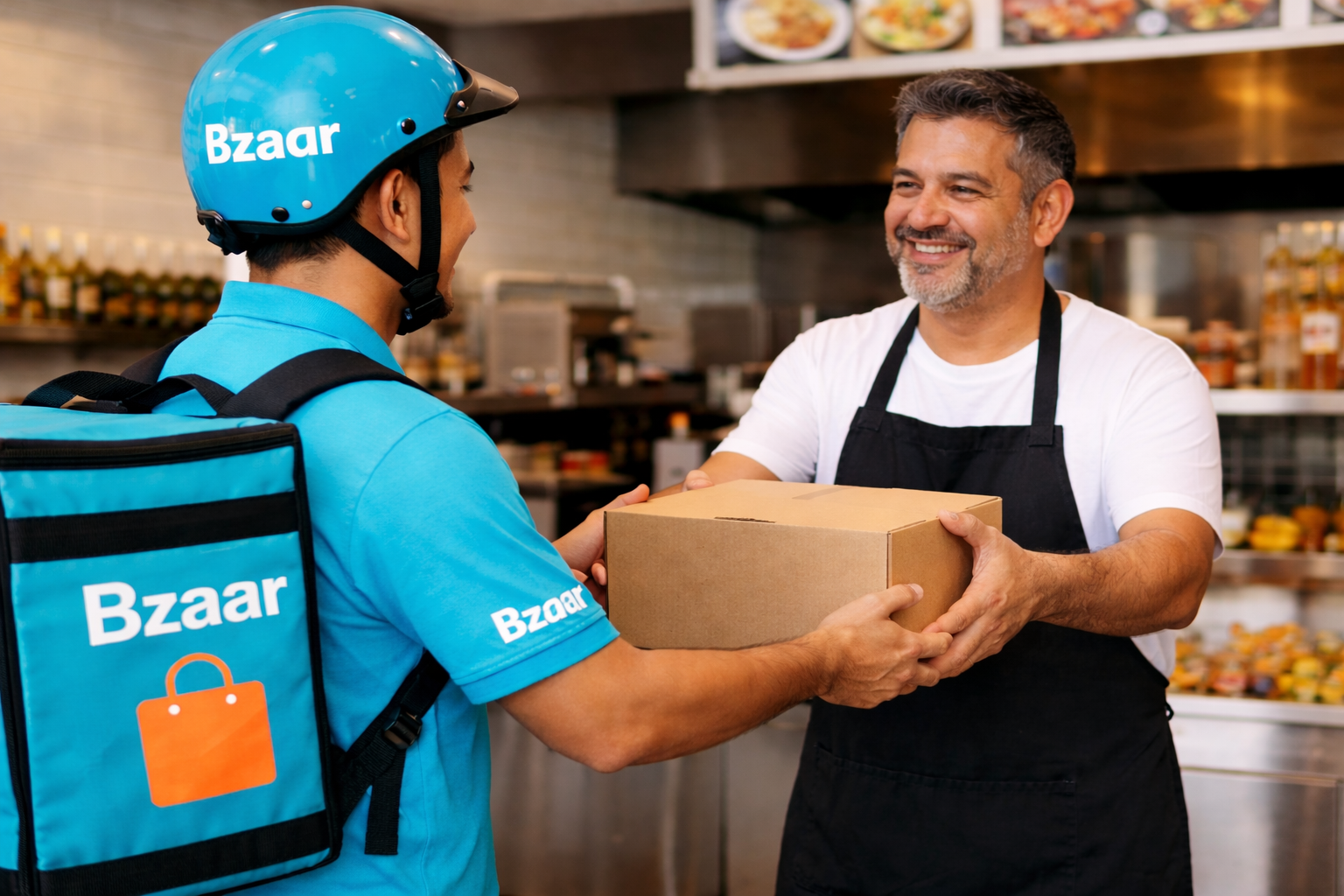
Operations for Delivery: Packaging, Pick-Up Zones, Prep Times, and Weekend Volume
This is where delivery either becomes a smooth revenue stream… or a weekly argument.
Most delivery failures aren’t marketing problems. They’re operations problems: slow prep, confused handovers, missing items, and packaging that can’t handle real life.
Step 4: Prepare for delivery (the non-negotiables):
You need:
– Reliable internet
– Logged-in device (tablet/POS) for orders
– A designated pickup area for delivery collection
– Orders ready when delivery arrives
– Delivery containers and bags
– Reviewed prep time for top sellers (reduce where possible)
– Testing top sellers in containers for average wait time
– Readiness for extra volume on weekends
Packaging: you’re not packing food — you’re packing an experience:
Packaging must:
– keep heat in,
– keep crunch alive where possible,
– stop leaks,
– and look clean on arrival.
If you want repeat customers, your packaging must be consistent.
The pickup zone: your secret weapon:
A designated pickup area prevents:
– drivers waiting in line,
– staff shouting across the shop,
– orders going missing,
– and customers collecting the wrong bag.
Keep it simple:
– one shelf or counter section,
– labelled orders,
– one staff member responsible during peak.
Prep time: measure it, don’t guess it:
Customers care about speed. But speed isn’t “rush”. Speed is predictable prep.
Do this:
– list your top 10 sellers,
– time them during normal service,
– identify bottlenecks,
– reduce steps where possible.
Weekend volume: plan for it or it will plan for you:
Weekends aren’t a surprise. They happen weekly. Like clockwork. Like bills.
If you expect extra orders:
– assign roles (prep, pack, handover),
– stock packaging,
– prep ingredients,
– and keep someone dedicated to delivery orders.
Hungry Lion benchmark thinking (what to copy):
The best QSR operations look boring from the outside because the system is tight:
– consistent prep,
– consistent pack,
– consistent handover.
That consistency is what builds repeat orders.